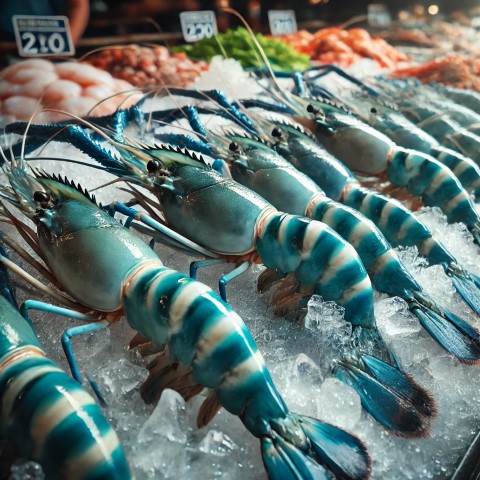
Rosenbergii prawns, also known as giant freshwater prawns, have become a highly sought-after seafood delicacy worldwide. Their popularity is driven by their exceptional taste, nutritional value, and versatility in culinary applications. The global market for Rosenbergii prawns has experienced significant growth in recent years, influenced by various factors, including increasing consumer demand, expanding aquaculture production, and global trade.
Consumer Preferences and Trends
The demand for Rosenbergii prawns is driven by a confluence of factors. Consumers are increasingly seeking high-quality, sustainable seafood options that are both nutritious and delicious. Rosenbergii prawns meet these criteria, offering a rich source of protein, vitamins, and minerals, while also being low in fat and cholesterol. Their firm texture and mild flavor make them adaptable to a wide range of culinary preparations, from simple grilling to complex gourmet dishes.
Furthermore, consumers are becoming more aware of the environmental impacts of traditional fishing practices. As a result, there is a growing preference for sustainably sourced seafood, which includes aquaculture-raised species like Rosenbergii prawns. Consumers are increasingly seeking certifications and labels that indicate sustainable production practices, such as Aquaculture Stewardship Council (ASC) certification.
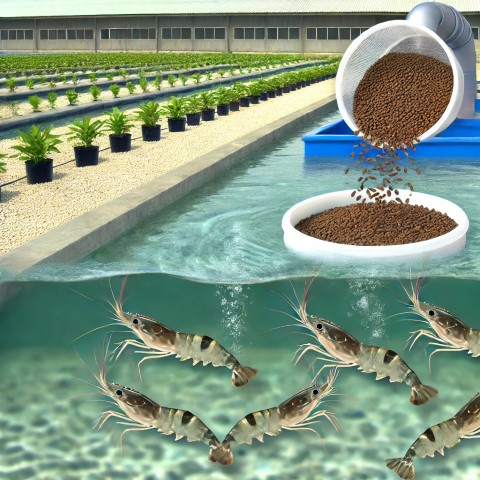
The global production of Rosenbergii prawns has been on the rise, primarily driven by aquaculture. Countries such as China, Vietnam, Thailand, and Indonesia are major producers of these prawns. Advances in aquaculture technology and farming practices have contributed to increased production and improved efficiency. For example, the development of recirculating aquaculture systems (RAS) has enabled farmers to reduce their reliance on freshwater resources and minimize environmental impacts.
Despite the growing demand for Rosenbergii prawns, the market is not without its challenges. Price fluctuations can be a significant factor, influenced by supply and demand dynamics, production costs, and market speculation. Additionally, Rosenbergii prawns face competition from other seafood products, including other shrimp species and alternative proteins.
Trade regulations and tariffs can also impact the global market for Rosenbergii prawns. Changes in trade policies, such as tariffs or quotas, can affect the flow of goods and influence prices. Moreover, the sustainability of aquaculture practices has become a growing concern. Some critics argue that intensive aquaculture can have negative environmental impacts, such as pollution and habitat destruction. As a result, there is increasing pressure on the industry to adopt more sustainable practices.
The future outlook for the global market for Rosenbergii prawns is promising, with continued growth expected. As consumer demand for sustainable seafood increases, there will be a greater emphasis on responsible aquaculture practices and certifications. Technological advancements and innovations in aquaculture will also contribute to the expansion of the market.
In conclusion, the global market for Rosenbergii prawns is influenced by a complex interplay of factors, including consumer preferences, production trends, market challenges, and sustainability concerns. The future of the industry hinges on the ability of producers to adapt to changing market dynamics, adopt sustainable practices, and meet the evolving demands of consumers. As long as these factors are addressed, the market for Rosenbergii prawns is poised for continued growth and success.
See Also:
Note: This content is for informational purposes only. Please read our full disclaimer for more details.
Rosenbergii prawns offer a high-protein, low-fat alternative to other animal proteins, making them an excellent choice for health-conscious consumers. They contain essential nutrients like vitamins B12 and E, omega-3 fatty acids, and minerals such as zinc and selenium, which support heart health, immune function, and brain activity.
These prawns are also low in cholesterol, appealing to those seeking healthier dietary options. Their versatility allows them to fit into various culinary styles, from grilled dishes to stews, making them an ideal addition to both everyday meals and gourmet cuisine.
With growing awareness of the environmental impact of traditional fishing, consumers are increasingly shifting towards sustainable aquaculture products. Rosenbergii prawns, typically farmed using recirculating aquaculture systems (RAS) and other eco-friendly practices, align with these consumer preferences.
Certification programs like the Aquaculture Stewardship Council (ASC) provide assurances that prawns are farmed responsibly, using practices that minimize pollution and habitat destruction. As sustainability becomes a priority, demand for responsibly farmed seafood continues to grow.
Major producers of Rosenbergii prawns include China, Vietnam, Thailand, and Indonesia, where favorable climates and advancements in aquaculture technologies drive production. These countries have optimized farming practices to reduce costs and increase efficiency, meeting the rising demand from both domestic and export markets.
Innovation in production—such as integrating biofloc technology—has further expanded capacity while lowering environmental impact, helping these nations remain competitive in the global seafood market.
Innovations like recirculating aquaculture systems (RAS) and automated feeding systems have significantly improved prawn farming efficiency. RAS allows farmers to reuse water and maintain optimal conditions for growth, reducing the environmental footprint.
Automation in feeding ensures prawns receive the right amount of nutrition at precise intervals, improving growth rates and feed conversion ratios. These advancements make farming more sustainable and profitable, encouraging expansion across the industry.
Rosenbergii prawns have a mild, slightly sweet flavor and firm texture, making them highly adaptable in various dishes. Their large size is ideal for grilling, stir-frying, or adding to curries, while they also complement cold dishes like prawn salads or ceviche.
Their ability to absorb flavors makes them a favorite in international cuisines, from Asian-style soups to Mediterranean tapas, driving their popularity among chefs and food enthusiasts globally.
Market challenges include price fluctuations, competition from other seafood products like whiteleg shrimp, and changing trade regulations. Farmers are adopting risk management strategies such as market diversification and product innovation to mitigate these challenges.
Additionally, the industry is focusing on developing value-added products, like frozen or marinated prawns, which enhance shelf life and cater to consumer demand for convenient meal options. Sustainable practices are also being prioritized to address environmental concerns and secure long-term market stability.
International trade policies, tariffs, and shipping logistics significantly impact the availability and pricing of Rosenbergii prawns. Countries like the U.S., Japan, and Europe are key importers, driving demand for high-quality seafood.
Changes in trade policies, such as reduced tariffs or free trade agreements, can open new markets and boost exports. Conversely, stricter environmental standards are encouraging producers to align with certification programs to maintain market access.
Increasing consumer demand for sustainable seafood has pushed farmers to adopt practices that minimize carbon footprints and waste. Innovations like biofloc systems convert organic waste into nutrients, reducing pollution and reliance on external feed sources.
Some farms are also exploring insect-based feeds as a sustainable alternative to fishmeal, further lowering environmental impact. These practices not only align with consumer values but also enhance farm profitability by reducing operational costs.
The future of Rosenbergii prawn farming is expected to be driven by technological advancements, sustainability initiatives, and market diversification. Emerging trends include the use of artificial intelligence (AI) for water quality monitoring and predictive analytics for production planning.
Additionally, increased demand for premium seafood products in developing economies, coupled with consumers' preference for sustainable options, will continue to expand market opportunities for Rosenbergii prawns globally.
To capture premium markets, producers are focusing on branding and certification. Products certified by bodies like the ASC gain a competitive edge in eco-conscious markets, particularly in North America and Europe.
Developing unique value propositions, such as selling pre-cooked or marinated prawns, caters to consumer demand for convenience. Collaborating with chefs and food influencers to showcase innovative recipes can also elevate the product's appeal, driving higher sales in gourmet segments.
Acid Soil: Understanding Low pH Soils and Management Acid soils, defined as soils with a pH below 7.0, represent a significant challenge in agriculture, particularly in areas with high rainfall....
Read about Acid Soil
Moringa in the Agriculture Industry: A Comprehensive Overview Moringa (Moringa oleifera) is a highly valued plant in the agriculture industry due to its nutritional, medicinal, and economic benefits....
Read about Moringa
The Comprehensive Guide to Coriander: Cultivation, Harvesting, and Benefits of Coriandrum Sativum Coriander ( Coriandrum sativum ), also known as cilantro when referring to its fresh leaves, is one...
Read about Coriander
Sustainable Practices in Rosenbergii Prawn Farming Rosenbergii prawn farming, like many aquaculture industries, has faced criticism for its environmental impacts. However, there is a growing movement...
Read about Rosenbergii prawns