Share on X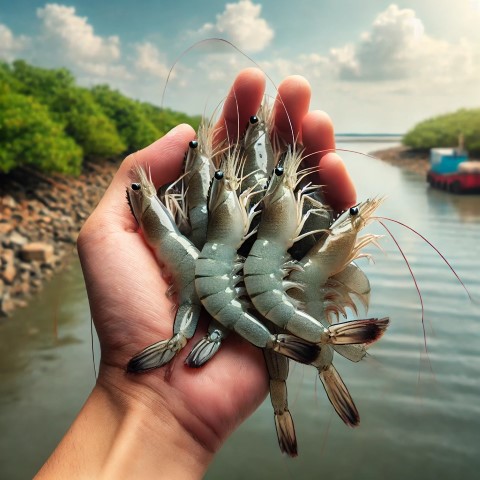
Vannamei Shrimp Farming: A Comprehensive Guide
Introduction
Vannamei shrimp, also known as Pacific white shrimp or King prawn, are a popular species for aquaculture due to their rapid growth rate, high survival rates, and excellent market demand. Their cultivation has gained significant importance in global food production, providing a valuable source of protein and income for many communities. This comprehensive guide will explore the various aspects of Vannamei shrimp farming, from biology and cultivation to market trends and sustainability.
Biology and Characteristics of Vannamei Shrimp
Vannamei shrimp are marine species native to the Pacific coast of the Americas. They are characterized by their distinctive white or translucent color, slender body, long antennae, and a pair of large pincers. These shrimp are known for their rapid growth rate, high survival rates, and tolerance to a wide range of environmental conditions.
In terms of nutritional value, Vannamei shrimp are a rich source of protein, vitamins, and minerals. They are a low-fat food option that offers essential nutrients for a healthy diet. The demand for Vannamei shrimp has been steadily increasing in recent years, driven by consumer preferences for sustainable and high-quality seafood.
Habitat and Environmental Requirements
Vannamei shrimp thrive in saltwater environments, such as estuaries and coastal waters. They require specific conditions for optimal growth and survival:
- Salinity: Vannamei shrimp are tolerant of a wide range of salinities, but they typically prefer brackish or saltwater environments. Excessive freshwater exposure can be detrimental to their health.
- Temperature: They prefer warm water temperatures, typically between 25°C and 30°C. Extreme temperature fluctuations can stress shrimp and affect their growth and survival.
- Dissolved Oxygen: Adequate dissolved oxygen levels are essential for shrimp respiration and metabolism. Water bodies used for Vannamei shrimp farming should have sufficient oxygen levels to support their growth.
- pH: The pH of the water should be maintained within a suitable range, typically between 7.5 and 8.5. Extreme pH fluctuations can affect shrimp health and survival.
- Substrate: A suitable substrate, such as sand or mud, is necessary for shrimp to burrow and hide.
By providing the appropriate environmental conditions, Vannamei shrimp farmers can optimize their growth and productivity.
Stages of Vannamei Shrimp Farming
Vannamei shrimp farming typically involves four main stages:
- Hatchery Operations: The process begins with the production of larvae (post-larvae) in a controlled hatchery environment. Broodstock selection, induced spawning, and larval rearing are critical steps in this stage.
- Broodstock Selection: Healthy and genetically superior shrimp are selected as broodstock to ensure the production of high-quality offspring. Careful selection involves assessing factors such as size, growth rate, disease resistance, and reproductive performance.
- Induced Spawning: Techniques such as hormonal injections or environmental manipulation are used to induce female shrimp to release eggs. These techniques mimic natural spawning conditions and stimulate the release of reproductive hormones.
- Larval Rearing: The fertilized eggs are incubated to hatch into larvae, which are then reared in specially designed tanks or raceways. Larval feed is provided to ensure their proper growth and development. During this stage, water quality parameters such as temperature, salinity, and dissolved oxygen are carefully monitored and maintained to optimize larval survival and development.
- Nursery Rearing: Once the larvae have reached a suitable size, they are transferred to nursery ponds or tanks for further growth and development. During this stage, the shrimp are provided with a nutritious diet and appropriate water conditions.
- Feeding: Juvenile shrimp require a high-protein diet to support their rapid growth. They are typically fed a formulated feed that is specifically designed to meet their nutritional needs.
- Water Quality Management: Water quality is carefully monitored and maintained in nursery ponds to ensure optimal conditions for shrimp growth and survival. Parameters such as pH, temperature, salinity, dissolved oxygen, ammonia, nitrite, and nitrate levels are regularly checked and adjusted as needed.
- Grow-Out: As the shrimp continue to grow, they are moved to larger grow-out ponds or tanks. These ponds are carefully managed to ensure optimal water quality, oxygen levels, and feeding regimes.
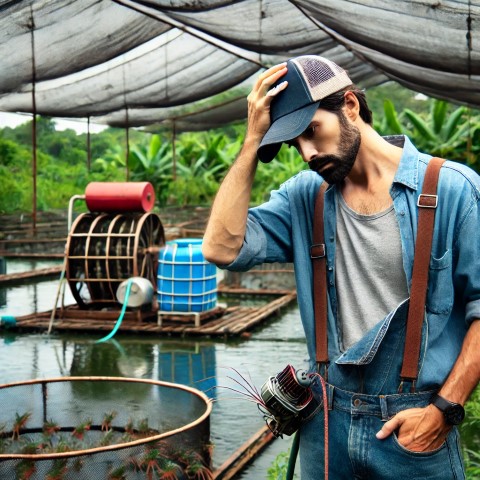
- Pond Design: Grow-out ponds are typically constructed with earthen dikes and equipped with aeration systems to provide adequate oxygen levels. The pond design should also consider factors such as water depth, stocking density, and shading.
- Water Quality Management: Water quality is a critical factor in grow-out ponds. Parameters such as pH, temperature, salinity, dissolved oxygen, ammonia, nitrite, and nitrate levels are regularly monitored and controlled. Water exchange and aeration are used to maintain optimal water conditions.
- Feeding: Shrimp are fed a balanced diet of commercial feed or a combination of commercial feed and supplemental ingredients. The amount and frequency of feeding are adjusted based on the shrimp's growth rate and water temperature. Overfeeding should be avoided to prevent water pollution and reduce feed costs.
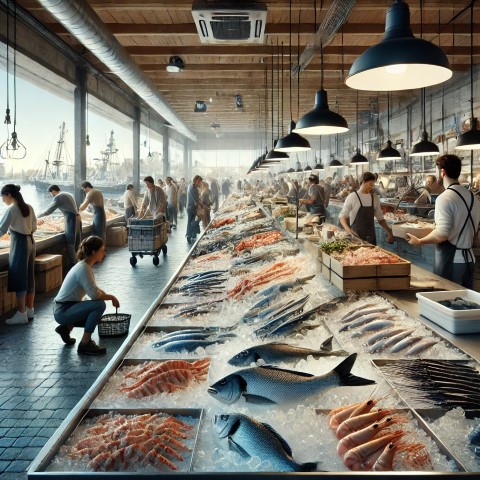
- Harvesting: When the shrimp reach market size, they are harvested using various methods, such as netting or draining the ponds. The harvested shrimp are then sorted, graded, and processed for distribution.
- Harvesting Techniques: Harvesting methods should be chosen based on the size and density of the shrimp in the ponds. Common methods include seining, bagging, or draining the ponds.
- Sorting and Grading: Harvested shrimp are sorted and graded according to size and quality. This helps to ensure that the shrimp meet market standards and are priced appropriately.
Challenges and Opportunities in Vannamei Shrimp Farming
Vannamei shrimp farming, like any agricultural enterprise, faces several challenges:
- Disease Outbreaks: Diseases such as white spot syndrome virus (WSSV), Taura syndrome virus (TSV), and infectious hypodermal and hemocyte aggregation syndrome (IHHAS) can pose significant threats to shrimp health and productivity.
- Environmental Impacts: Aquaculture can have environmental impacts, including water pollution, habitat destruction, and climate change. Sustainable practices are necessary to minimize these effects.
- Market Fluctuations: The market for Vannamei shrimp can be subject to price volatility and demand fluctuations, influenced by factors such as economic conditions and consumer preferences.
- Technological Advancements: The aquaculture industry is constantly evolving, with new technologies and innovations emerging. Adopting these advancements can improve efficiency and sustainability.
Despite these challenges, Vannamei shrimp farming offers numerous opportunities:
- Job Creation: The industry can create employment opportunities in rural areas and contribute to local economic development.
- Food Security: Vannamei shrimp provide a valuable source of protein and nutrition, contributing to food security and dietary diversity.
- Export Potential: Vannamei shrimp can be exported to various markets, generating foreign exchange earnings for producing countries.
- Innovation and Research: There is a growing focus on research and development in aquaculture, leading to new sustainable practices and technologies.
Economic and Social Benefits of Vannamei Shrimp Farming
Vannamei shrimp farming can have significant economic and social benefits:
- Job Creation: The industry creates employment opportunities at various stages, from hatchery operations to processing and distribution.
- Contribution to Local Economies: Aquaculture can contribute to local economic development by generating revenue and supporting related businesses.
- Food Security: Vannamei shrimp provide a nutritious food source and contribute to food security, especially in coastal regions.
- Rural Development: Aquaculture can promote rural development by providing livelihood opportunities and improving living standards.
Future Trends and Outlook
The future of Vannamei shrimp farming is promising, with several trends and developments shaping the industry:
- Emerging Technologies: Innovations in feed, water treatment, and farming practices are being adopted to improve efficiency and sustainability.
- Recirculating Aquaculture Systems (RAS): RAS technology allows for the recycling and reuse of water, reducing water consumption and minimizing environmental impacts.
- Biofloc Technology: Biofloc systems utilize beneficial bacteria to improve water quality and reduce the need for external inputs.
- Automated Feeding Systems: Automated feeding systems can improve feed efficiency and reduce labor costs.
- Sustainability Initiatives: There is a growing emphasis on sustainable aquaculture practices to minimize environmental impacts and promote responsible production.
- Reduced Water Consumption: Implementing practices such as RAS and water recycling to conserve water resources.
- Minimized Pollution: Adopting measures to reduce nutrient runoff, antibiotic use, and other pollutants.
- Biodiversity Conservation: Promoting biodiversity through habitat restoration and sustainable feed sourcing.
- Market Expansion: The demand for Vannamei shrimp is expected to continue growing, driven by consumer preferences and increasing global trade.
- New Markets: Exploring new markets, such as China, Japan, and the United States, to expand sales and exports.
- Product Diversification: Offering a wider range of products, including processed prawn products and value-added items, to cater to different consumer preferences.
- Regulatory Framework: Governments are implementing regulations to ensure sustainable and responsible aquaculture practices.
- Certification Standards: Promoting certification standards such as Aquaculture Stewardship Council (ASC) to recognize sustainable aquaculture practices.
- Traceability: Implementing traceability systems to ensure that shrimp are produced and traded according to sustainable standards.
Additional Insights
- Disease Prevention: In addition to the measures mentioned earlier, farmers can implement vaccination programs, probiotics, and immunostimulants to enhance shrimp health and resistance to diseases.
- Vaccinations: Vaccines can be used to protect shrimp against specific diseases, such as white spot syndrome virus (WSSV) and Taura syndrome virus (TSV).
- Probiotics: Probiotics are beneficial bacteria that can help to improve gut health and reduce the risk of infections. They can be added to the water or feed to promote a healthy gut microbiome.
- Immunostimulants: Immunostimulants are substances that can help to boost the shrimp's immune system and improve their resistance to diseases. They can be added to the feed or administered through injections.
- Genetic Improvement: Selective breeding programs can be used to develop strains of Vannamei shrimp with superior growth rates, disease resistance, and other desirable traits.
- Breeding for Growth: Selecting and breeding shrimp with the fastest growth rates can improve production efficiency and reduce time to market.
- Disease Resistance: Breeding for disease resistance can help to reduce the risk of disease outbreaks and minimize losses.
- Improved Feed Efficiency: Breeding for improved feed efficiency can reduce feed costs and improve profitability.
- Consumer Education: Educating consumers about the benefits of Vannamei shrimp and the importance of sustainable aquaculture can help to drive demand and support the industry.
- Nutritional Value: Highlighting the nutritional benefits of Vannamei shrimp, such as their high protein content and low fat content.
- Sustainability: Promoting sustainable aquaculture practices and the environmental benefits of consuming Vannamei shrimp.
- Culinary Applications: Providing recipe ideas and cooking tips to inspire consumers to try different Vannamei shrimp dishes.
- Partnerships and Collaboration: Collaboration between farmers, researchers, and government agencies can facilitate knowledge sharing, technology transfer, and the development of sustainable aquaculture practices.
- Research and Development: Supporting research and development initiatives to address challenges and improve aquaculture practices.
- Policy Development: Collaborating with government agencies to develop policies and regulations that support sustainable aquaculture.
- Public-Private Partnerships: Fostering partnerships between the public and private sectors to promote sustainable aquaculture and economic development.
By considering these additional factors, Vannamei shrimp farmers can further optimize their operations and contribute to the long-term sustainability of the industry.
- Vannamei Shrimp Farming Boosts Economic Growth in Developing Countries Today
- Vannamei Shrimp Market Shifts: Unlock Emerging Opportunities and Challenges
- Discover Game-Changing Vannamei Shrimp Farming Innovations for Higher Yields
- Vannamei Shrimp Farming’s Bright Future: Embrace Tech and Sustainability Today
- Vannamei Shrimp Farming Faces Climate Change Threats: Here's How to Adapt