Share on X
Innovations in Vannamei Shrimp Farming
Introduction
The Vannamei shrimp industry has witnessed significant advancements in recent years, driven by a focus on efficiency, sustainability, and profitability. Technological innovations have played a crucial role in transforming aquaculture practices, enabling farmers to optimize production, reduce costs, and enhance the quality of their products.
Recirculating Aquaculture Systems (RAS)
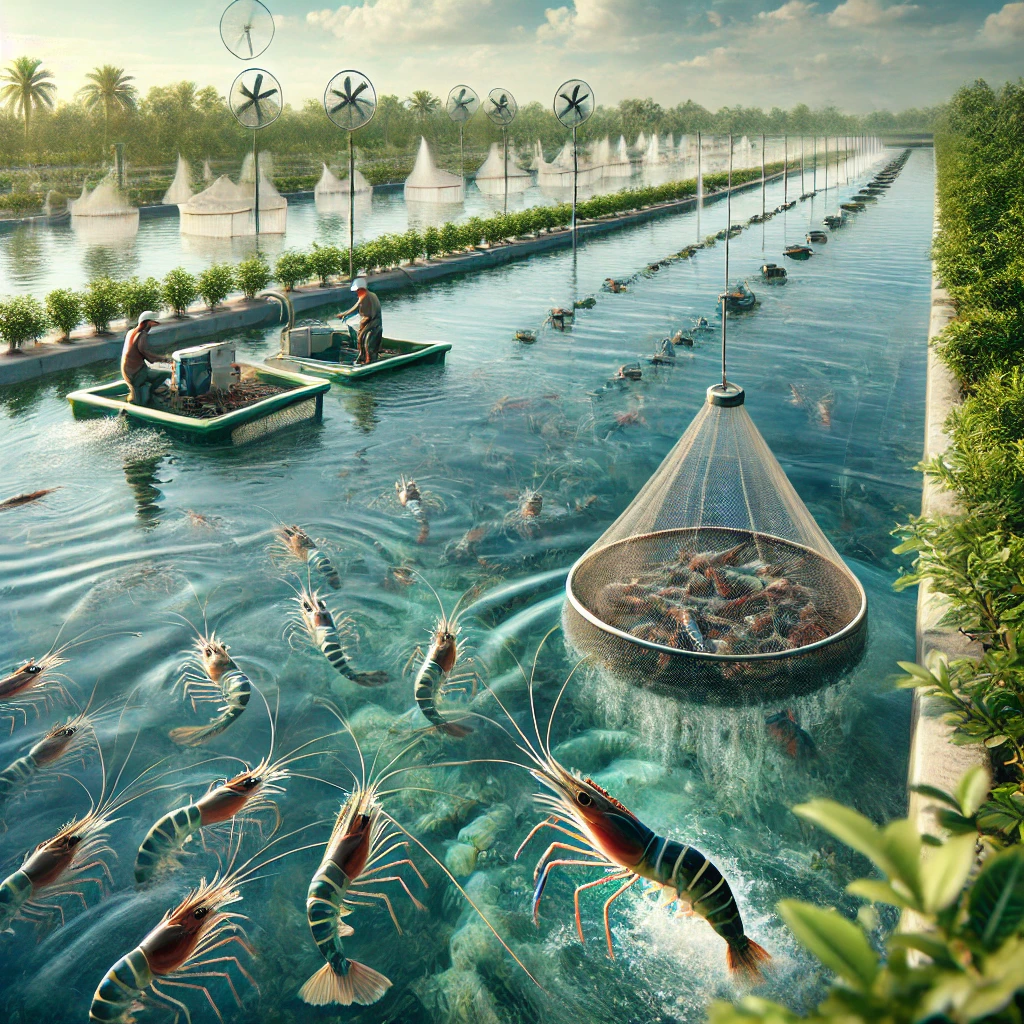
Recirculating Aquaculture Systems (RAS) have emerged as a game-changer in Vannamei shrimp farming. These systems recirculate water, allowing for greater control over the farming environment and reducing water consumption. RAS offer several advantages, including:
- Improved water quality: RAS systems can maintain optimal water parameters, such as pH, temperature, salinity, and dissolved oxygen, ensuring optimal conditions for shrimp growth.
- Reduced environmental impact: By minimizing water consumption and reducing nutrient runoff, RAS systems can significantly reduce the environmental footprint of aquaculture.
- Enhanced biosecurity: RAS can help to prevent the introduction and spread of diseases by isolating shrimp from external water sources.
- Increased productivity: RAS can enable higher stocking densities and faster growth rates, leading to increased production efficiency.
Biofloc Technology
Biofloc technology is another innovative approach in Vannamei shrimp farming. This method involves cultivating beneficial bacteria in the water to create a stable ecosystem that promotes nutrient cycling and improves water quality. Biofloc systems offer several benefits, such as:
- Reduced feed costs: Biofloc systems can reduce the need for external inputs, such as fertilizers and chemicals, by utilizing organic matter produced by the shrimp and bacteria.
- Improved water quality: Biofloc systems can help to maintain stable water parameters and reduce the risk of water pollution.
- Enhanced shrimp health: The beneficial bacteria in biofloc systems can promote shrimp health and immunity.
Automated Feeding Systems
Automated feeding systems have become increasingly popular in Vannamei shrimp farming. These systems can optimize feed delivery, reduce labor costs, and improve feed efficiency. Automated feeders can be programmed to deliver feed at specific intervals, based on factors such as shrimp size and growth rates. This ensures that shrimp receive the appropriate amount of feed, minimizing overfeeding and reducing feed wastage.
Internet of Things (IoT) Applications
The Internet of Things (IoT) is revolutionizing aquaculture by enabling real-time monitoring and control of various parameters. IoT sensors can be used to measure water quality, temperature, pH, and other important factors. This data can be analyzed to identify trends, detect anomalies, and optimize farming operations. IoT can also be used to automate tasks such as feeding, water exchange, and alarm systems.
Genetic Engineering
Genetic engineering offers the potential to develop Vannamei shrimp with improved traits, such as faster growth rates, disease resistance, and enhanced nutritional value. Techniques like CRISPR-Cas9 can be used to modify the genetic makeup of shrimp, creating strains with desirable characteristics. However, the ethical and regulatory implications of genetic engineering in aquaculture need to be carefully considered.
Case Studies
To illustrate the benefits of these innovations, let's consider some case studies:
- RAS Implementation in Vietnam: A Vietnamese shrimp farm successfully implemented a RAS system, resulting in a significant reduction in water consumption, improved water quality, and increased shrimp production.
- Biofloc Technology in Thailand: A Thai shrimp farmer adopted biofloc technology, leading to reduced feed costs, improved shrimp health, and reduced environmental impact.
- Automated Feeding Systems in Ecuador: An Ecuadorian shrimp farm implemented automated feeding systems, resulting in improved feed efficiency, reduced labor costs, and enhanced shrimp growth.
- IoT Applications in India: An Indian shrimp farm used IoT sensors to monitor water quality parameters, detect disease outbreaks early, and optimize farming practices.
Conclusion
Innovations in Vannamei shrimp farming have played a crucial role in improving efficiency, sustainability, and profitability. By adopting technologies such as RAS, biofloc systems, automated feeding, and IoT applications, farmers can optimize their operations, reduce costs, and enhance the quality of their products. As the aquaculture industry continues to evolve, it is essential for farmers to stay updated on the latest innovations and adopt those that can benefit their businesses.
- Vannamei Shrimp Farming Boosts Economic Growth in Developing Countries Today
- Vannamei Shrimp Market Shifts: Unlock Emerging Opportunities and Challenges
- Discover Game-Changing Vannamei Shrimp Farming Innovations for Higher Yields
- Vannamei Shrimp Farming’s Bright Future: Embrace Tech and Sustainability Today
- Vannamei Shrimp Farming Faces Climate Change Threats: Here's How to Adapt