Share on X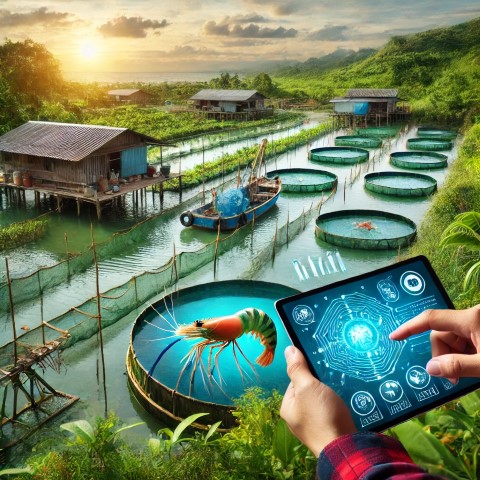
The Future of Vannamei Shrimp Farming
Introduction
The future of Vannamei shrimp farming is shaped by a complex interplay of factors, including technological advancements, sustainability trends, market dynamics, and global challenges. As the industry continues to evolve, it is essential to explore the potential opportunities and challenges that lie ahead.
Technological Advancements
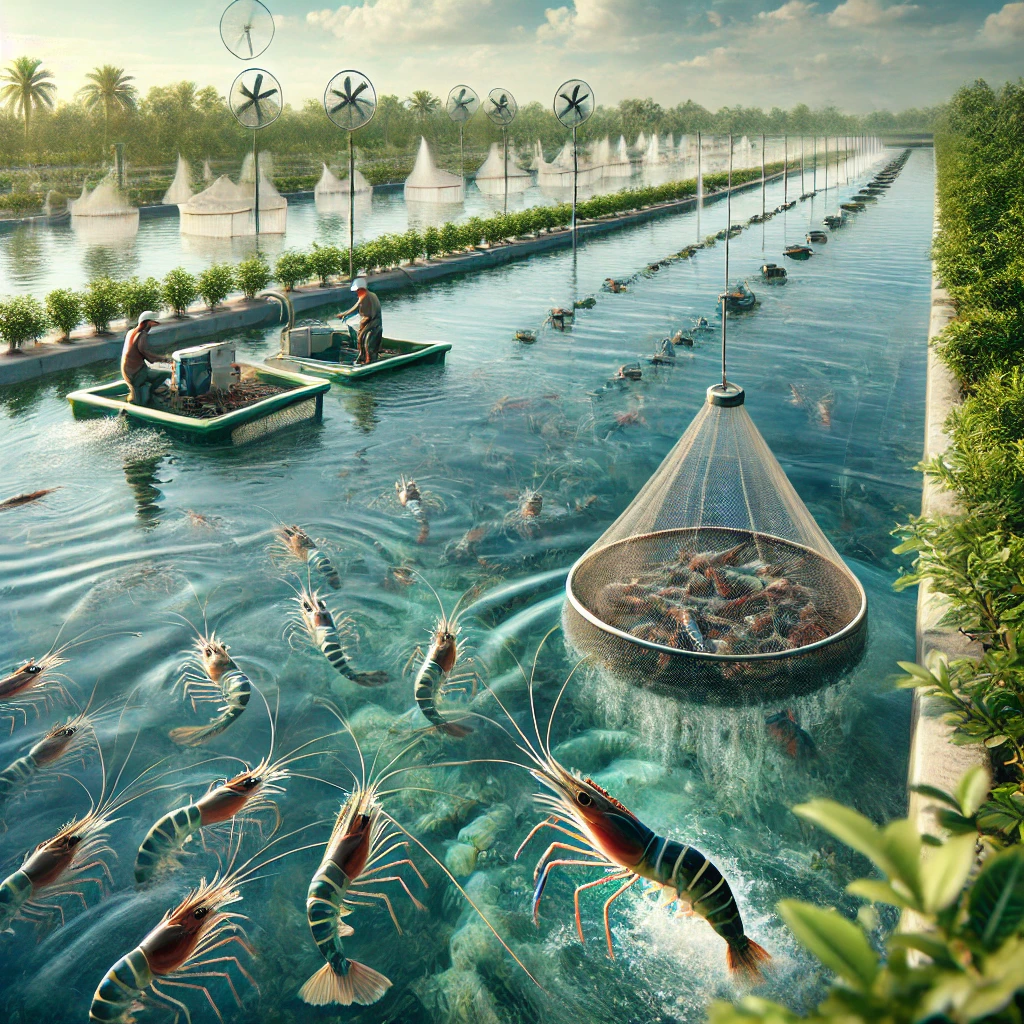
Technological innovations are playing a crucial role in transforming the Vannamei shrimp farming industry. Emerging technologies, such as artificial intelligence, machine learning, and automation, offer the potential to improve efficiency, sustainability, and profitability.
- Artificial Intelligence (AI): AI can be used for various tasks in aquaculture, including disease detection, feed management, and water quality monitoring. AI algorithms can analyze data from sensors and cameras to identify anomalies, optimize farming practices, and make informed decisions. For example, AI-powered systems can detect early signs of disease outbreaks, allowing farmers to take preventive measures and minimize losses.
- Machine Learning: Machine learning techniques can be used to predict trends, forecast market demand, and optimize production processes. By analyzing historical data and identifying patterns, machine learning can help farmers make data-driven decisions and improve operational efficiency. For instance, machine learning models can be used to predict future market prices, optimize feeding strategies, and optimize the timing of harvesting.
- Automation: Automation can reduce labor costs and improve efficiency by automating tasks such as feeding, water exchange, and harvesting. Automated systems can also enhance precision and consistency in farming operations. For example, automated feeding systems can ensure that shrimp receive the appropriate amount of feed at the right time, reducing wastage and optimizing growth rates.
Sustainability Trends
Sustainability is becoming increasingly important in the seafood industry, and Vannamei shrimp farming is no exception. Consumers are demanding sustainable products, and businesses are under pressure to adopt environmentally friendly practices.
- Consumer Preferences: Consumers are becoming more aware of the environmental impacts of aquaculture and are seeking products that are certified as sustainable. This shift in consumer preferences is driving demand for sustainable Vannamei shrimp.
- Certification Standards: Sustainability certifications, such as Aquaculture Stewardship Council (ASC), are gaining importance in the market. Obtaining ASC certification can provide access to premium markets, enhance a company's reputation, and mitigate risks associated with sustainability concerns.
- Reduced Environmental Impact: Sustainable aquaculture practices, such as reducing water consumption, minimizing pollution, and protecting biodiversity, are essential for ensuring the long-term viability of the industry. Farmers are increasingly adopting sustainable practices to meet consumer demands and contribute to environmental protection.
Market Outlook
The global market for Vannamei shrimp is expected to continue growing, driven by factors such as population growth, rising incomes, and changing dietary preferences. However, the industry also faces challenges, including price fluctuations, competition from other seafood products, and trade regulations.
- Demand Growth: As the global population grows and incomes rise, the demand for seafood products, including Vannamei shrimp, is expected to increase. This growth is particularly evident in emerging markets, such as China and India, where the middle class is expanding.
- Market Diversification: To mitigate risks and capture growth opportunities, Vannamei shrimp producers are exploring new markets and diversifying their product offerings. This includes targeting niche markets, developing value-added products, and exploring new export destinations.
- Trade Challenges: Navigating trade regulations and tariffs can be challenging for Vannamei shrimp producers. Changes in trade policies, such as tariffs or quotas, can impact market access and prices. It is essential for farmers and businesses to stay informed about trade developments and adapt their strategies accordingly.
Challenges and Opportunities
The Vannamei shrimp industry faces several challenges and opportunities in the coming years:
- Climate Change: Climate change poses significant risks to aquaculture, including rising sea levels, extreme weather events, and ocean acidification. Farmers need to adapt their practices to mitigate these impacts and ensure the long-term sustainability of their operations.
- Disease Outbreaks: Diseases can have a devastating impact on shrimp farms, leading to economic losses and environmental damage. Effective disease prevention and control measures are essential to protect shrimp health and productivity.
- Labor Shortages: The aquaculture industry may face labor shortages in the future, particularly in regions with limited access to skilled workers. This could lead to increased labor costs and challenges in meeting production targets.
- Technological Advancements: Technological innovations offer opportunities for improving efficiency, sustainability, and profitability in Vannamei shrimp farming. By embracing these advancements, farmers can stay competitive and adapt to changing market conditions.
Conclusion
The future of Vannamei shrimp farming is promising, but it will require continued innovation, adaptation, and a commitment to sustainability. By embracing technological advancements, addressing environmental challenges, and meeting consumer demands, the industry can thrive and contribute to a sustainable and prosperous future. It is essential for stakeholders, including farmers, businesses, governments, and consumers, to work together to promote sustainable aquaculture practices and ensure the long-term viability of Vannamei shrimp farming.
Additional Insights
- Circular Economy: Explore the potential of incorporating circular economy principles into Vannamei shrimp farming, such as reducing waste, recycling resources, and promoting resource efficiency.
- Consumer Education: Continue to educate consumers about the benefits of Vannamei shrimp and the importance of sustainable aquaculture practices.
- Policy Support: Advocate for government policies that support sustainable aquaculture development, provide incentives for farmers, and address environmental challenges.
- International Cooperation: Foster international collaboration and knowledge sharing among aquaculture stakeholders to address global challenges and promote sustainable practices.
By considering these additional factors, the Vannamei shrimp industry can position itself for long-term success and contribute to a more sustainable and resilient food system.
- Vannamei Shrimp Farming Boosts Economic Growth in Developing Countries Today
- Vannamei Shrimp Market Shifts: Unlock Emerging Opportunities and Challenges
- Discover Game-Changing Vannamei Shrimp Farming Innovations for Higher Yields
- Vannamei Shrimp Farming’s Bright Future: Embrace Tech and Sustainability Today
- Vannamei Shrimp Farming Faces Climate Change Threats: Here's How to Adapt